Exceptionally Familiar

The Legend of Zelda: Ocarina of Time for the Nintendo 64 is the most important video game ever made… to me. My byline would not appear in the pages of Game Informer without my original experience playing that game. But it is nearly 30 years old, and despite establishing many important staples of 3D gaming, its age is becoming more apparent. Ocarina of Time was due for a re-examination, and its remake is a wonderful recreation of the 1998 experience with improvements on basically every element: visuals, storytelling, timeless design, and more. It is, however, a remake, and the coloring (though expertly done) is firmly inside the lines.
Zelda: Ocarina of Time Remake – Video Review:
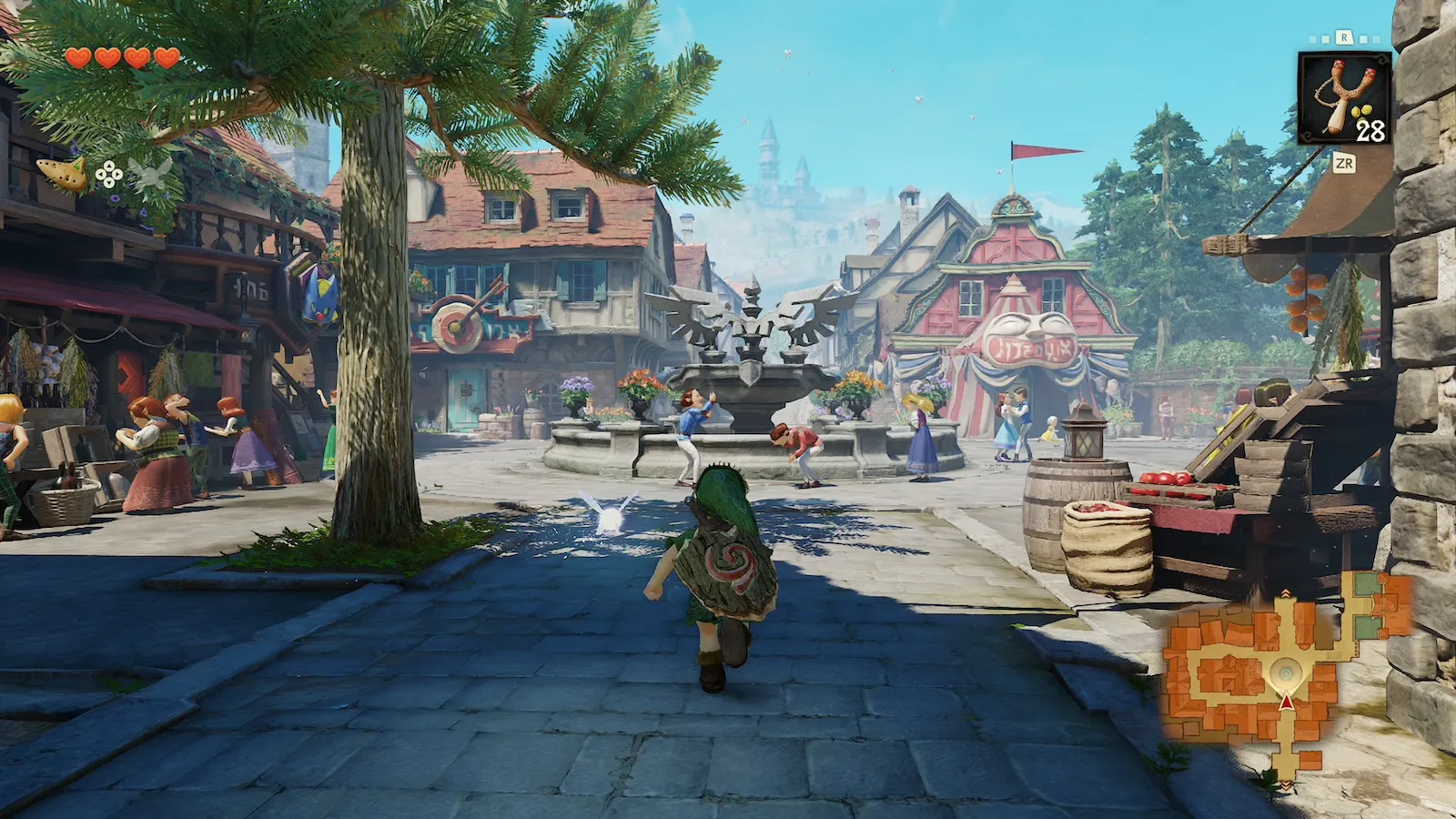
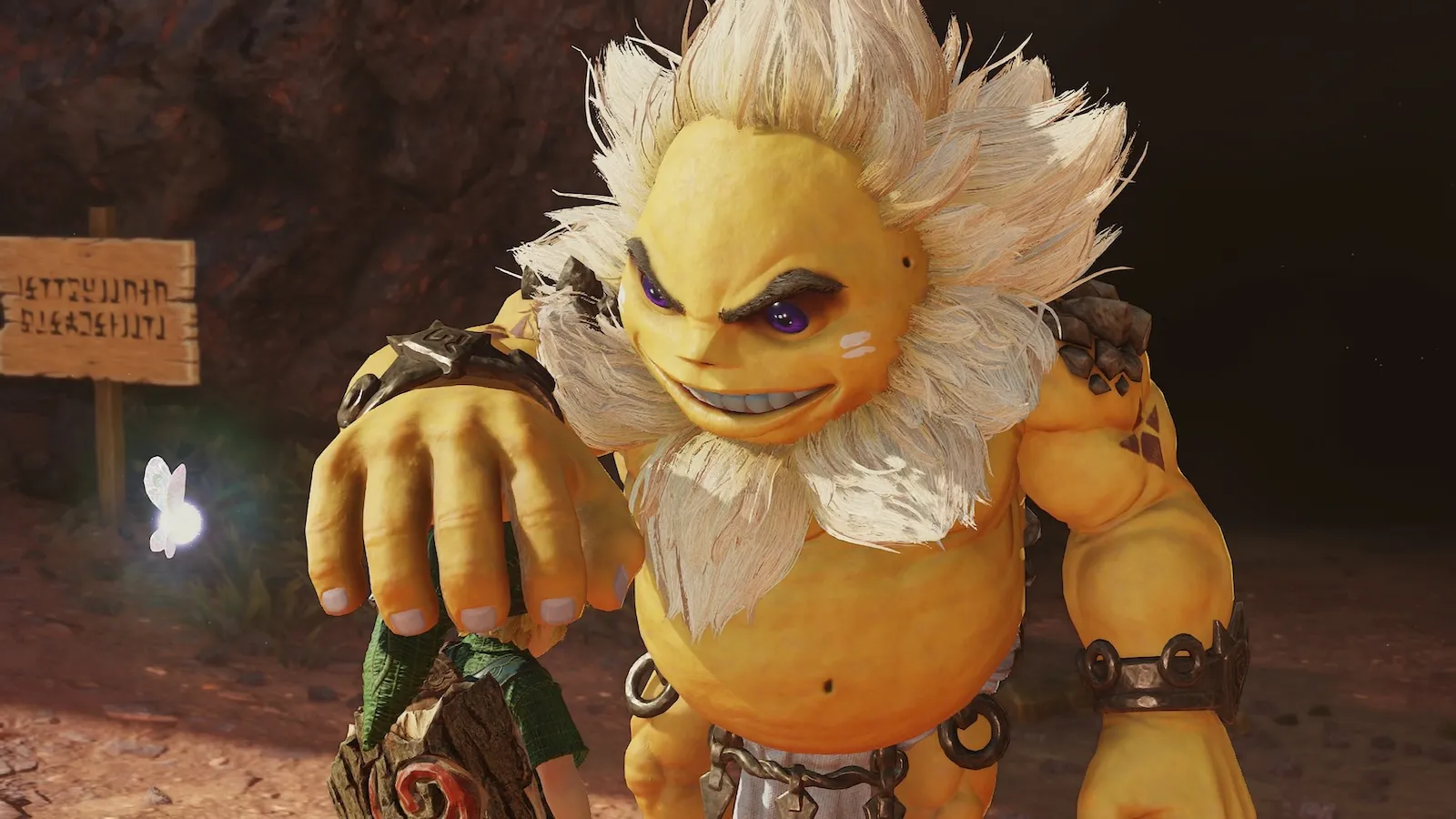
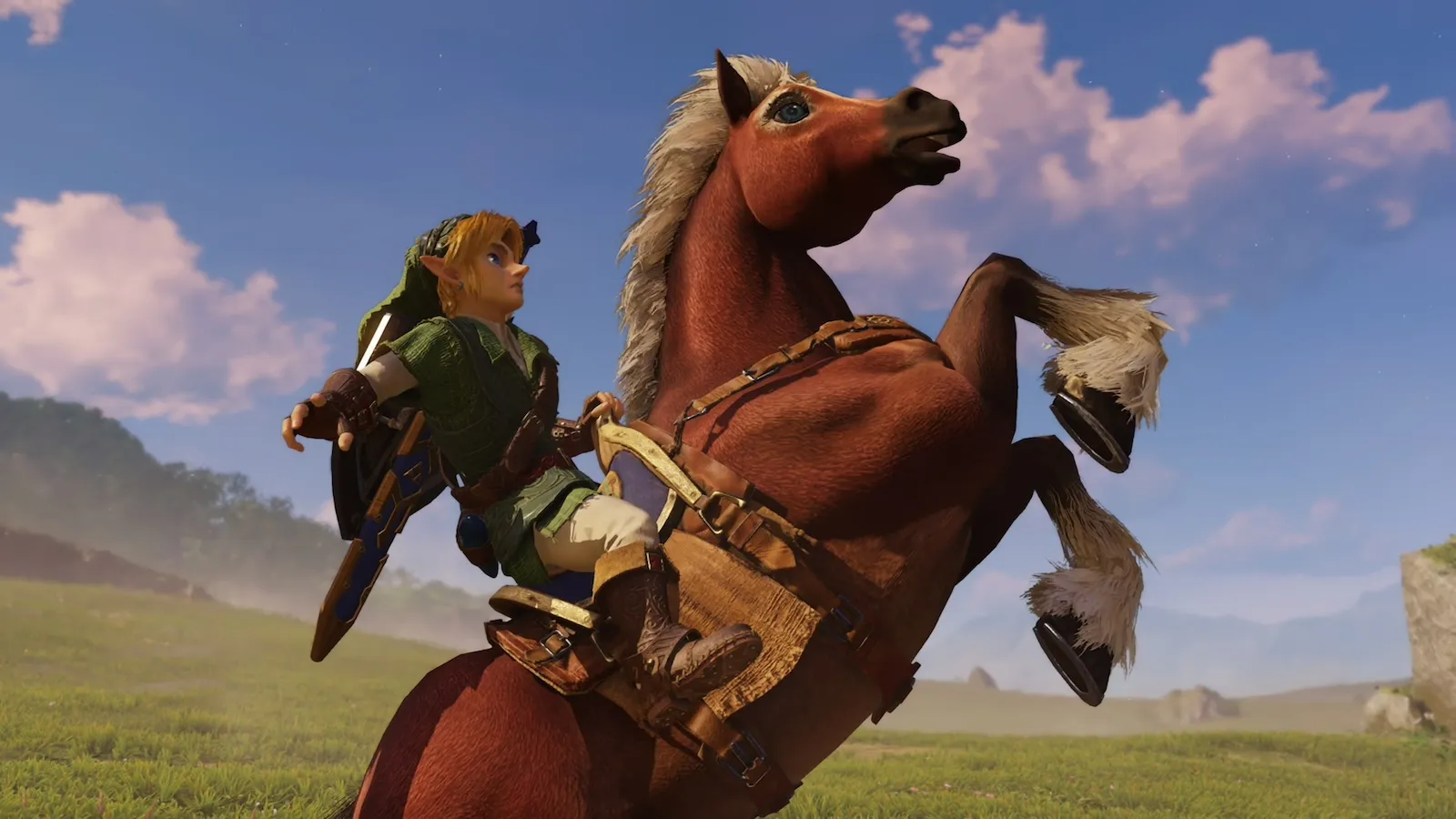
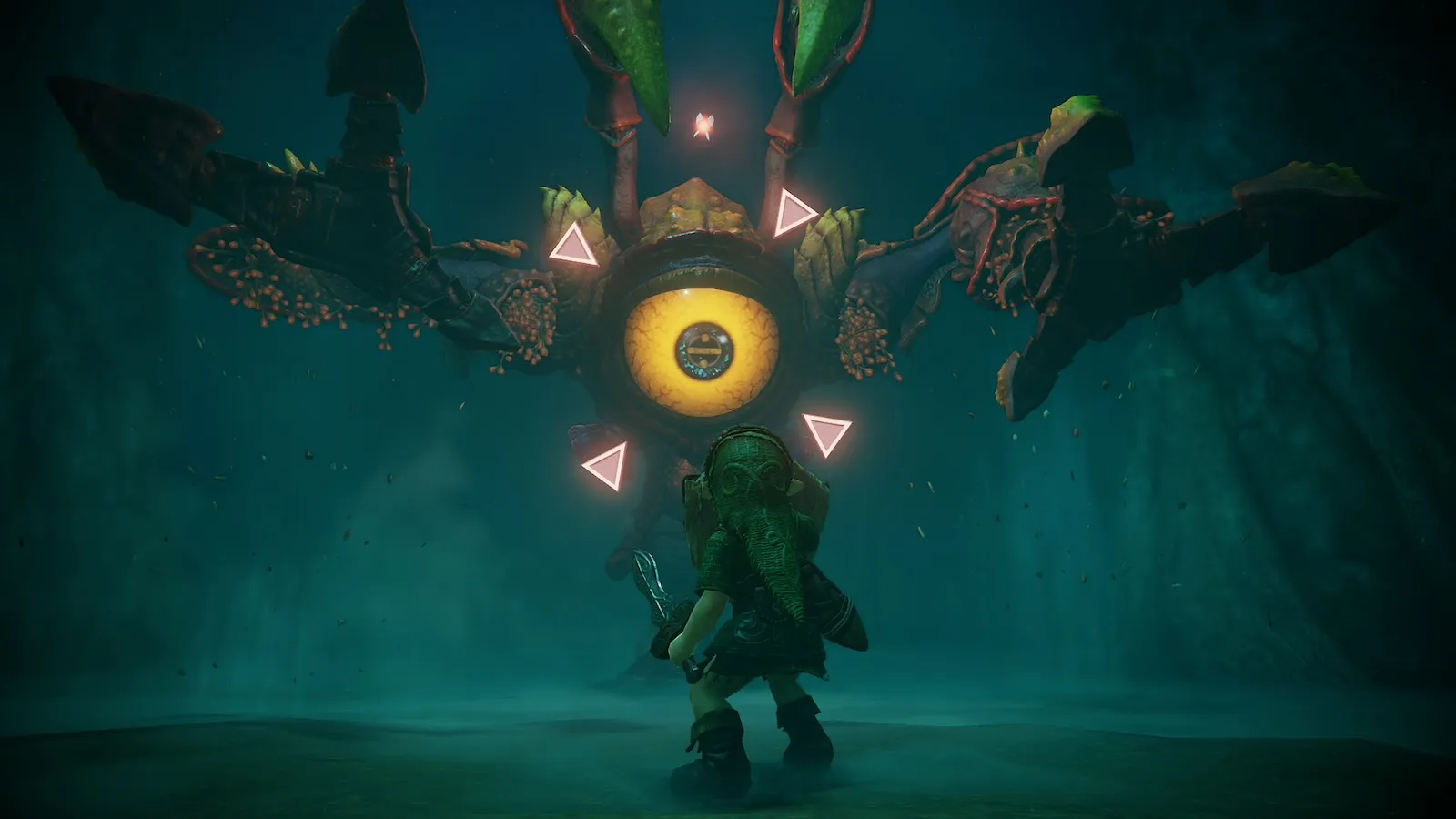
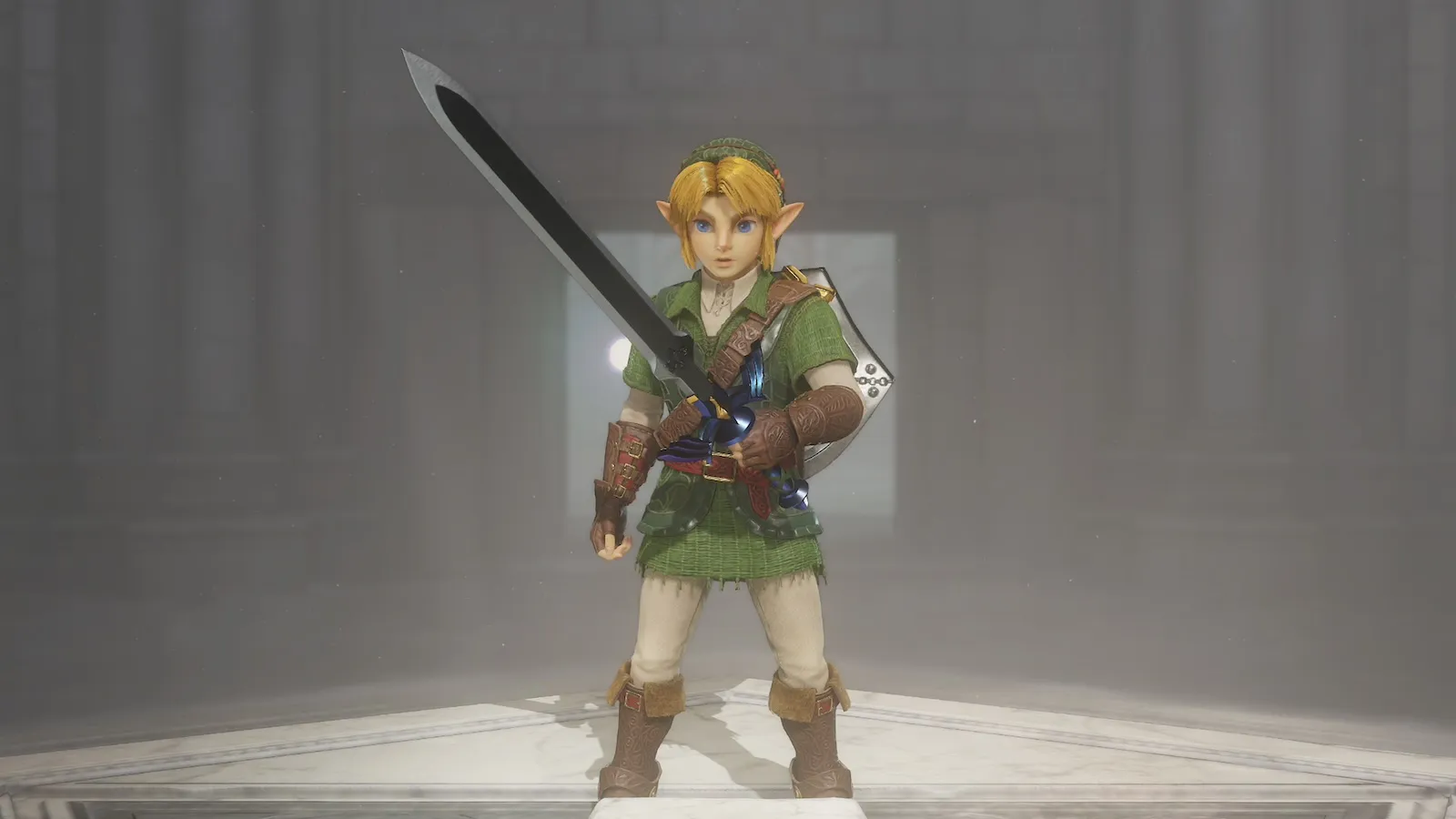
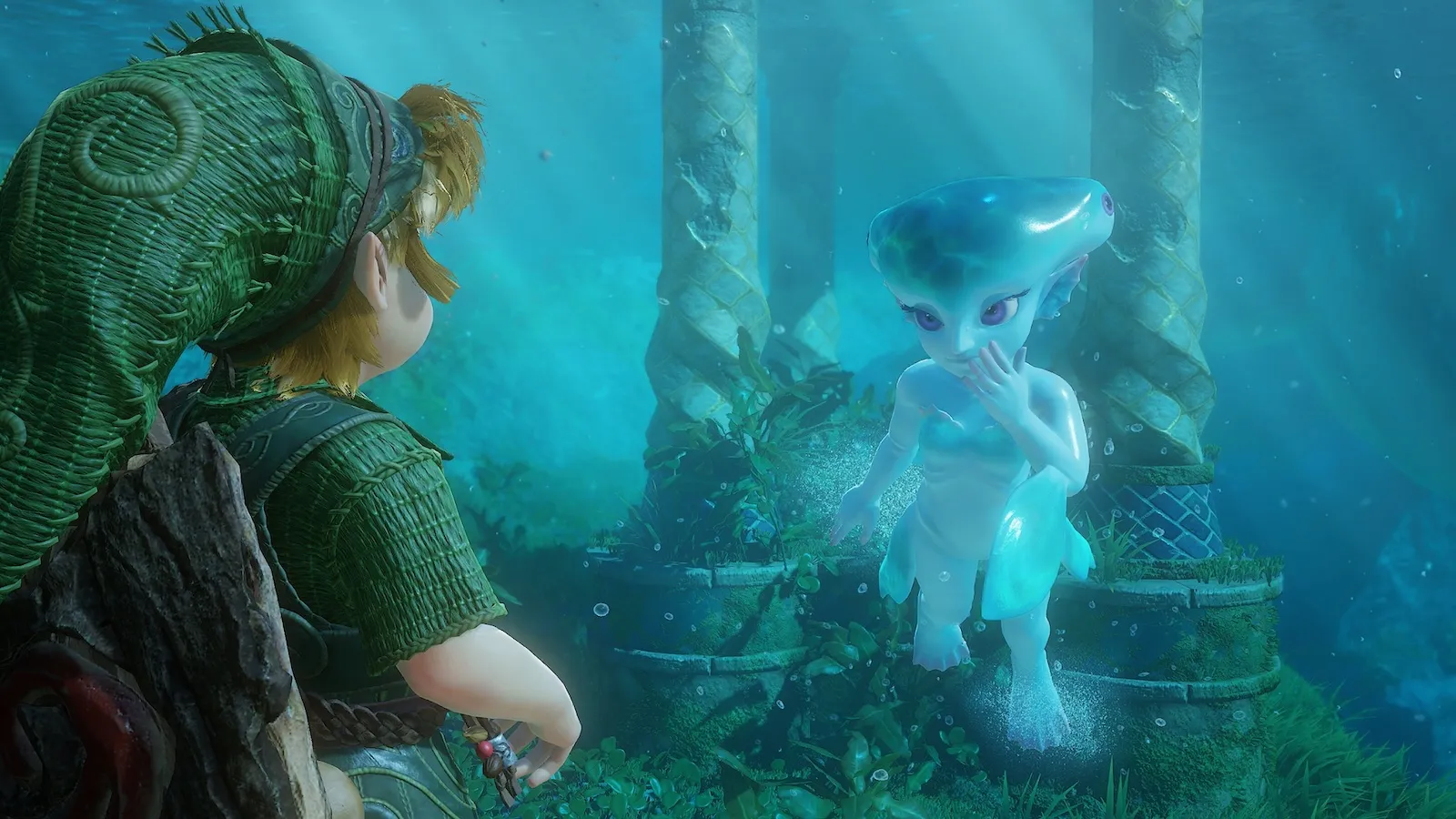
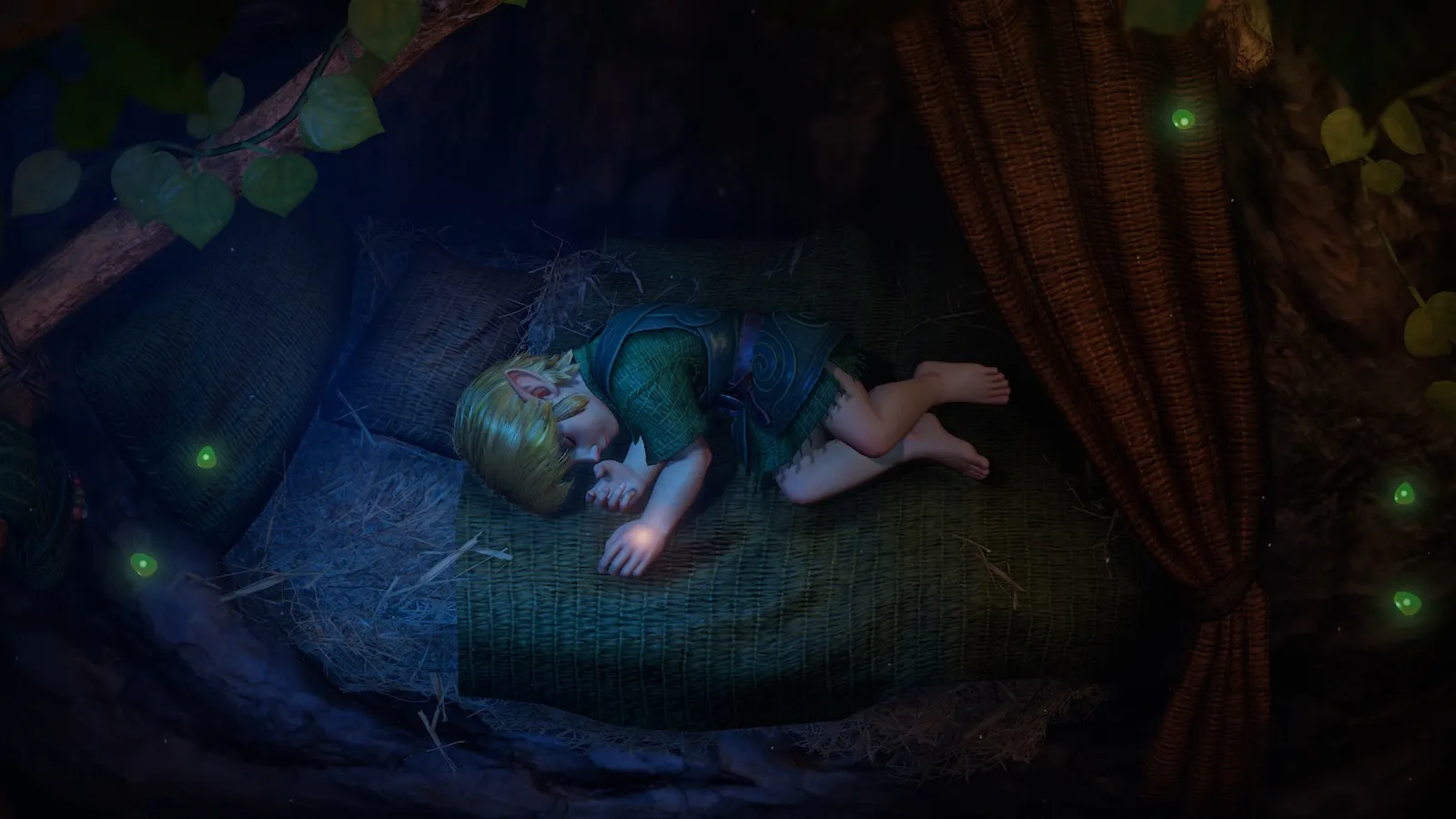
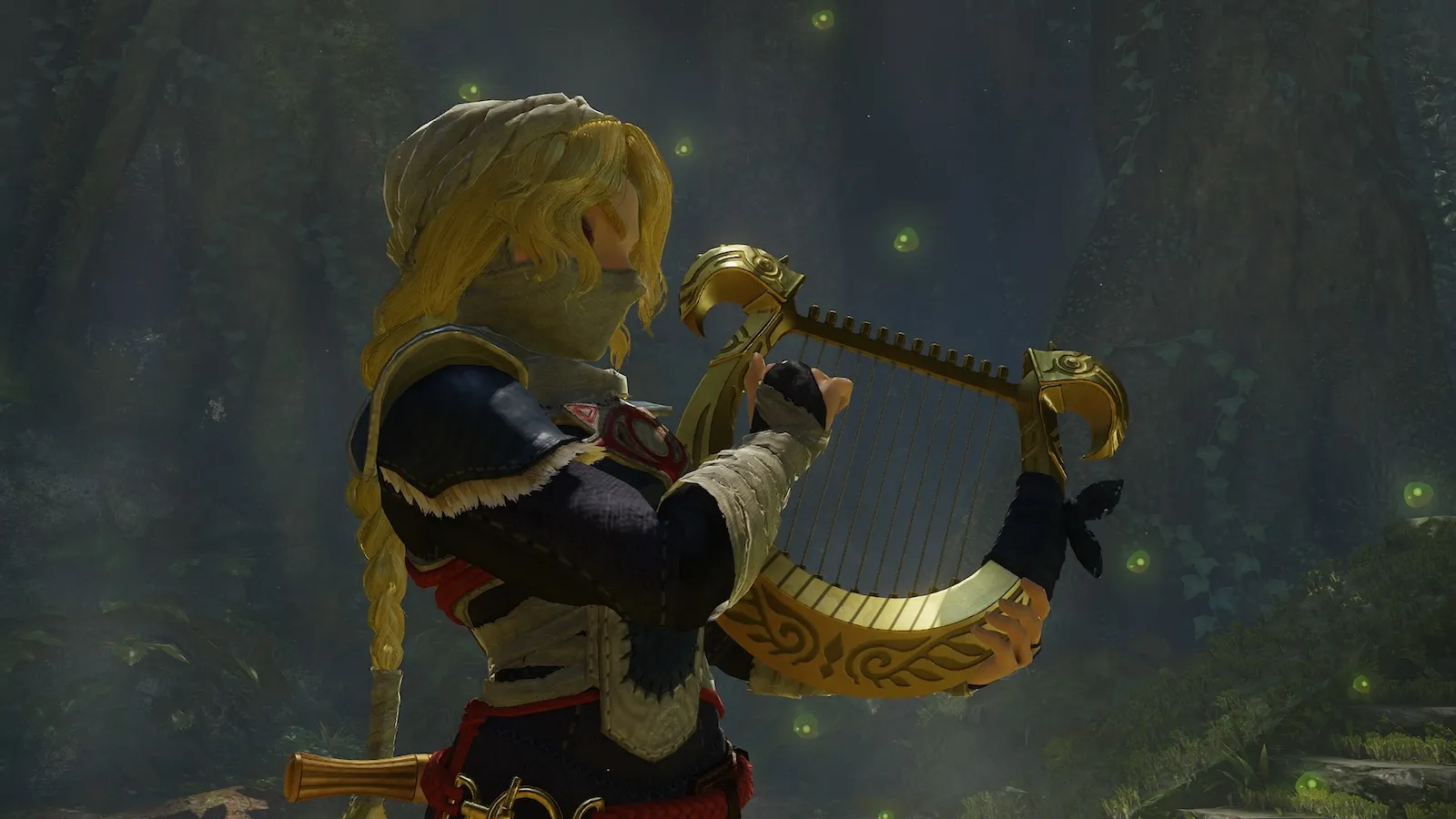
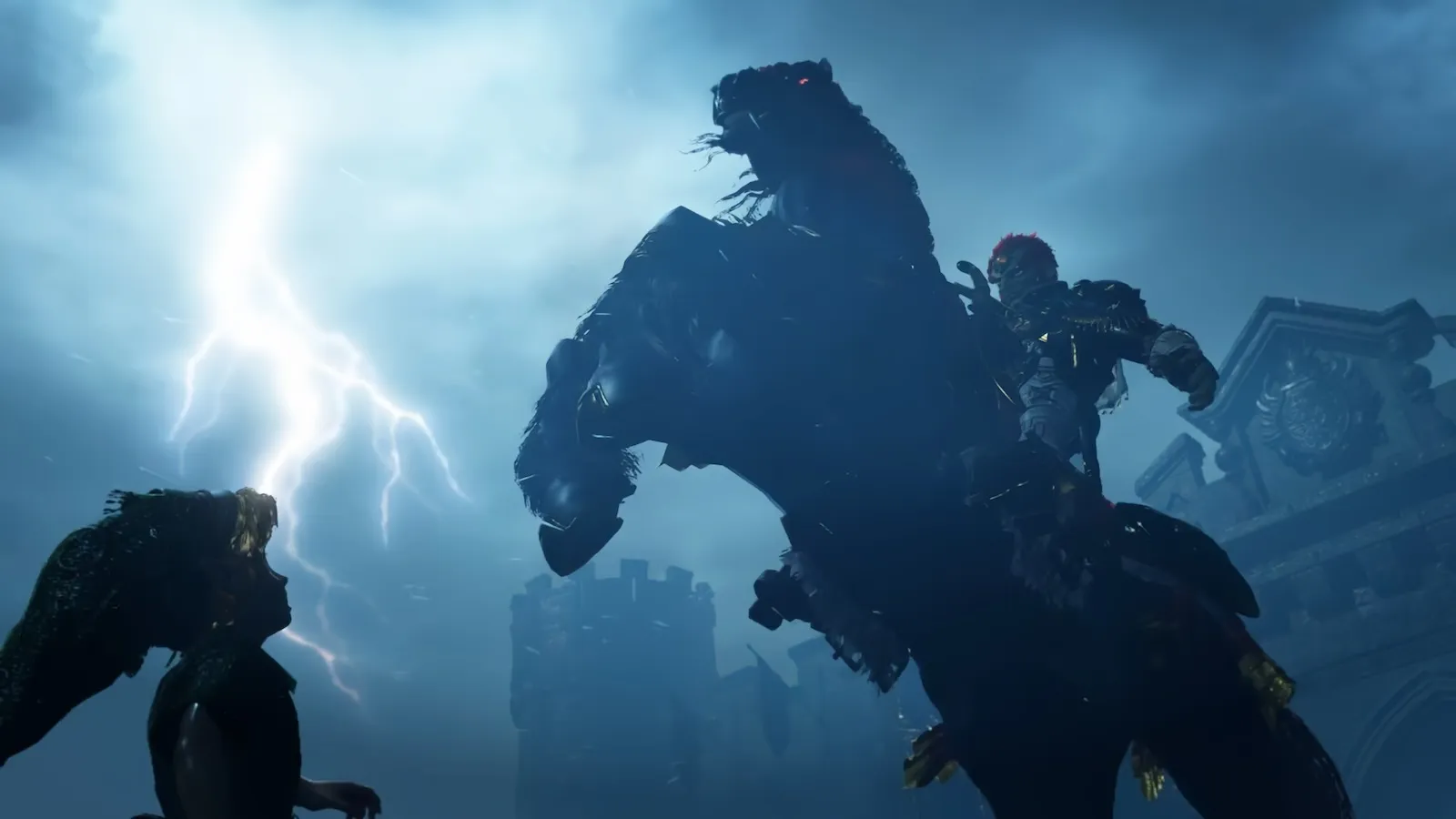
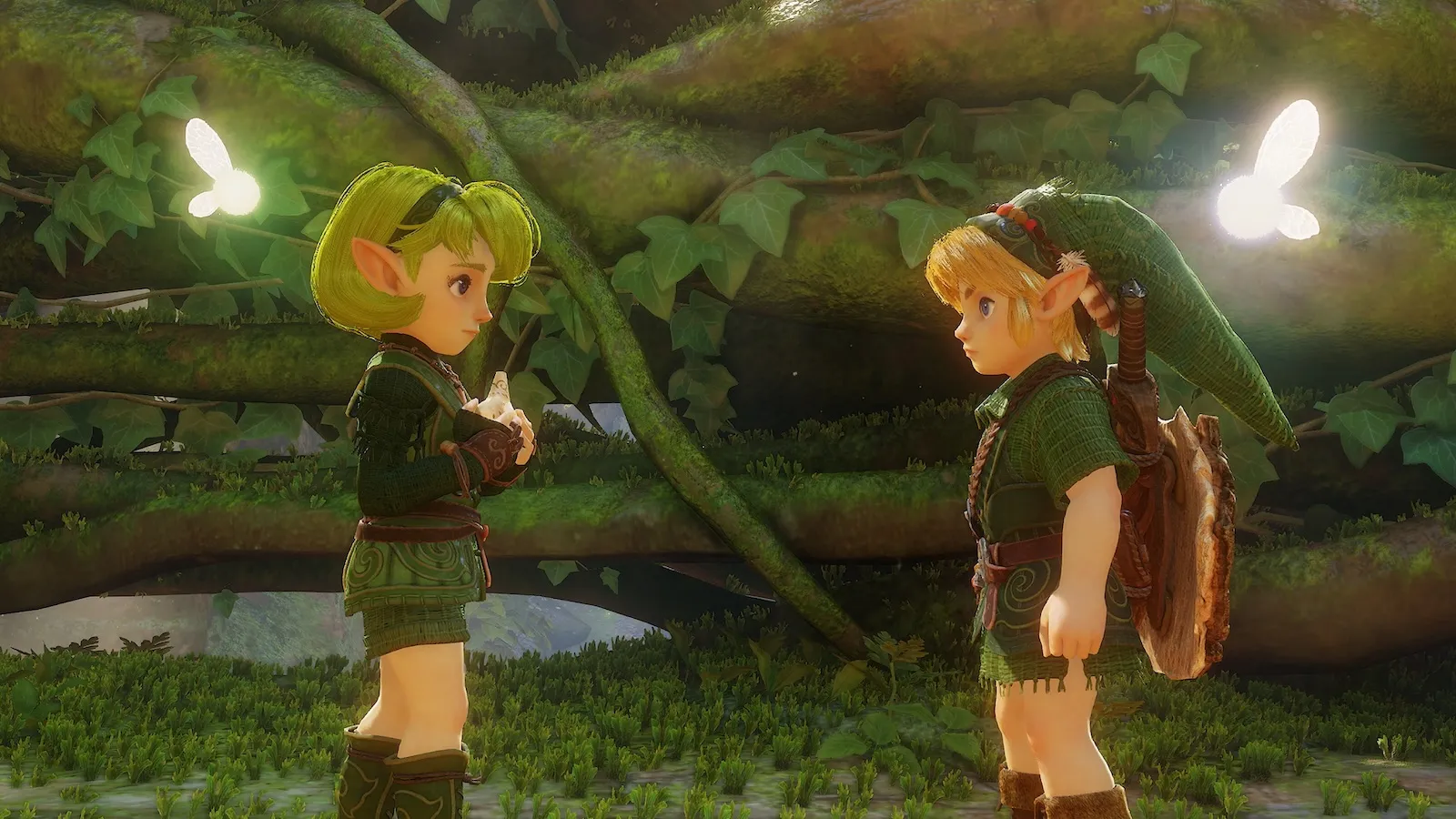
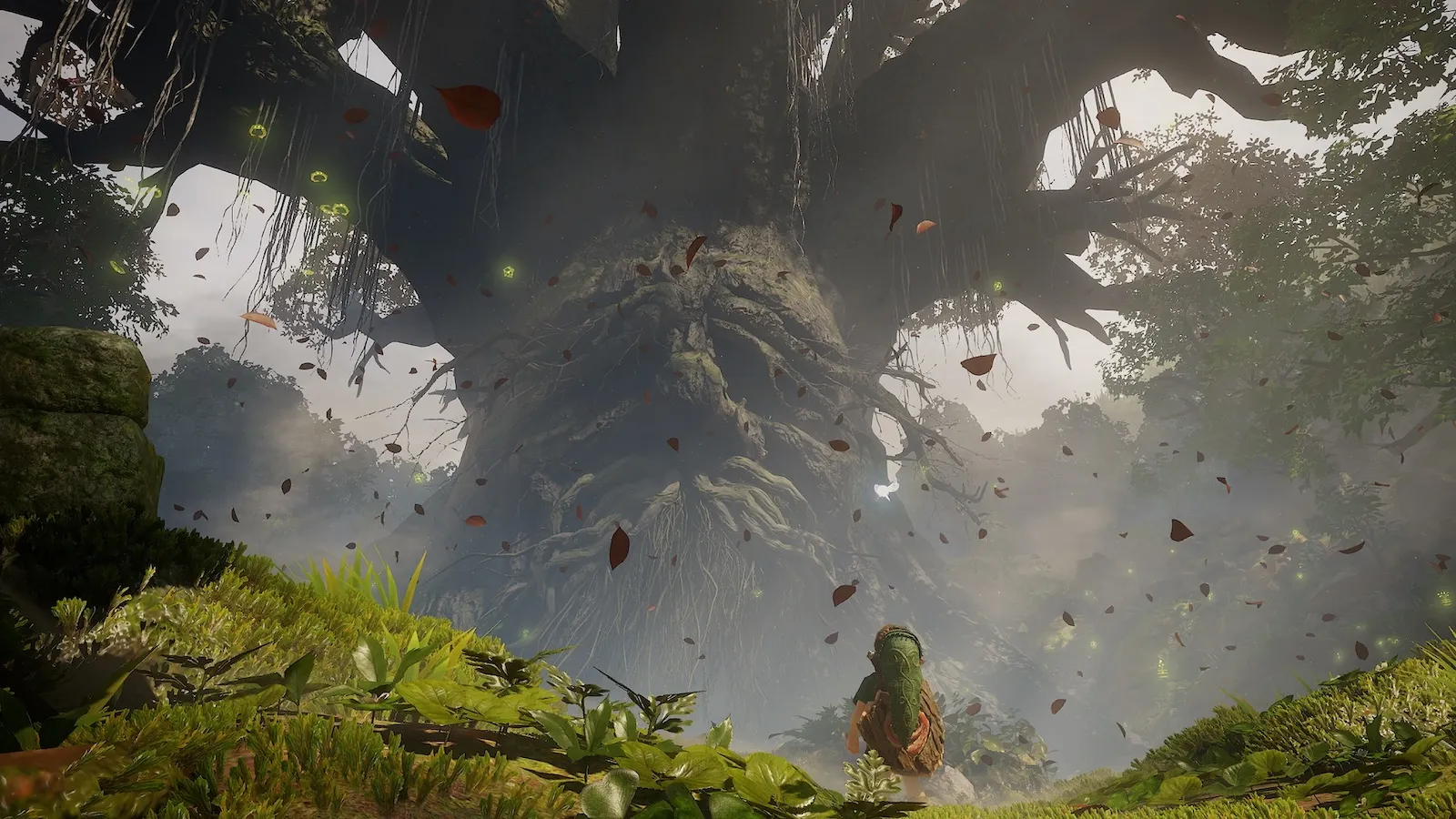
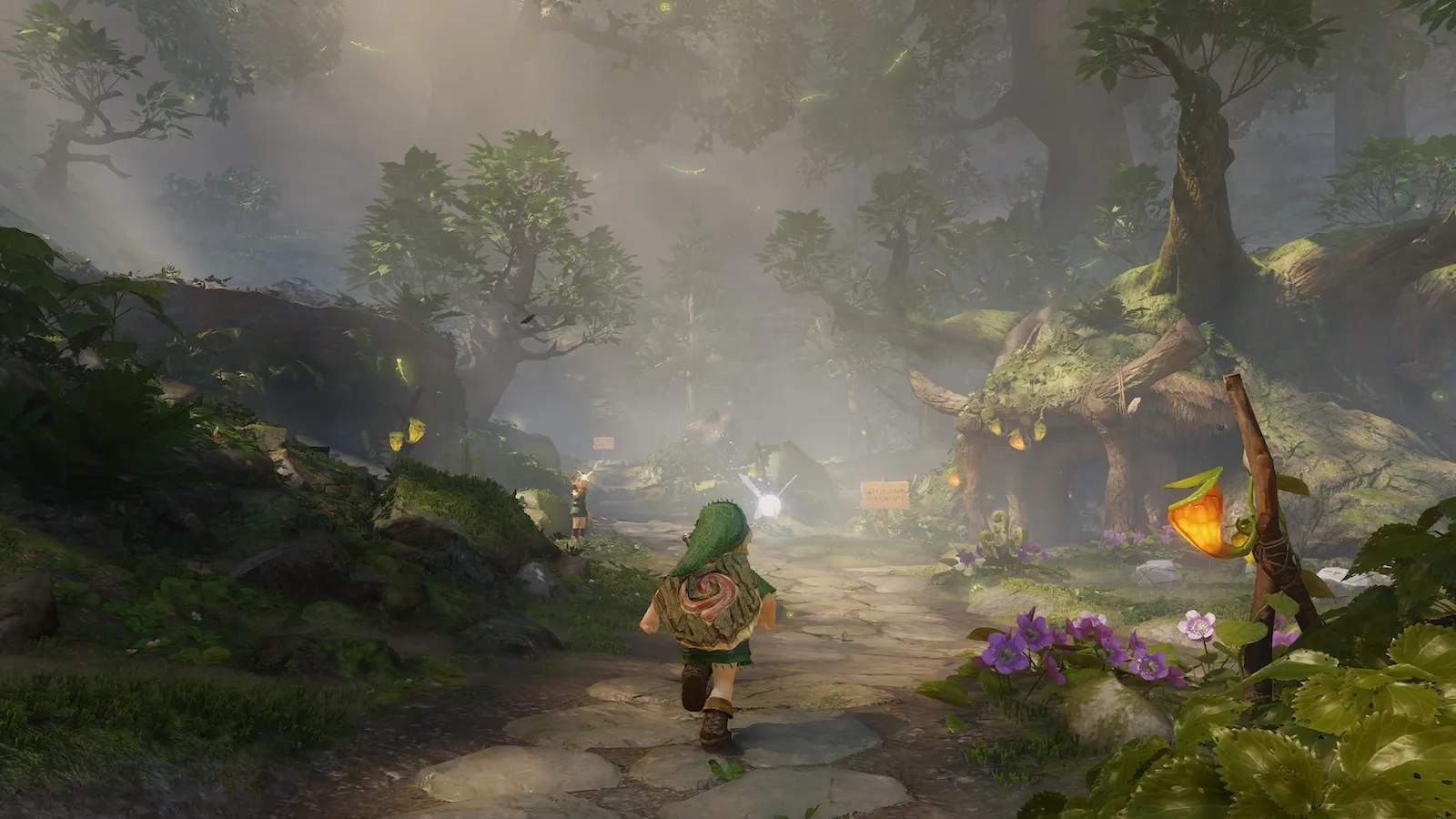
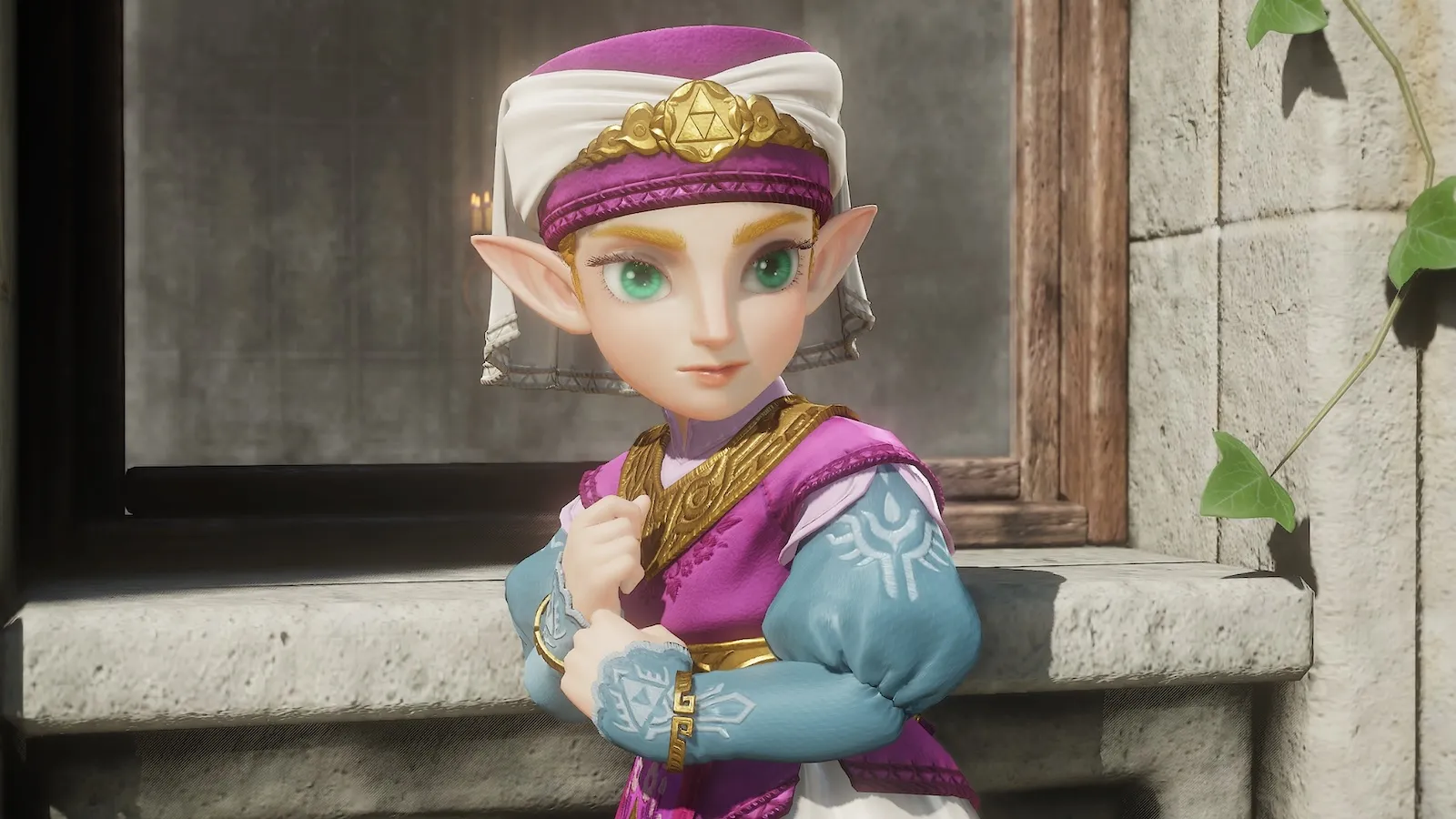
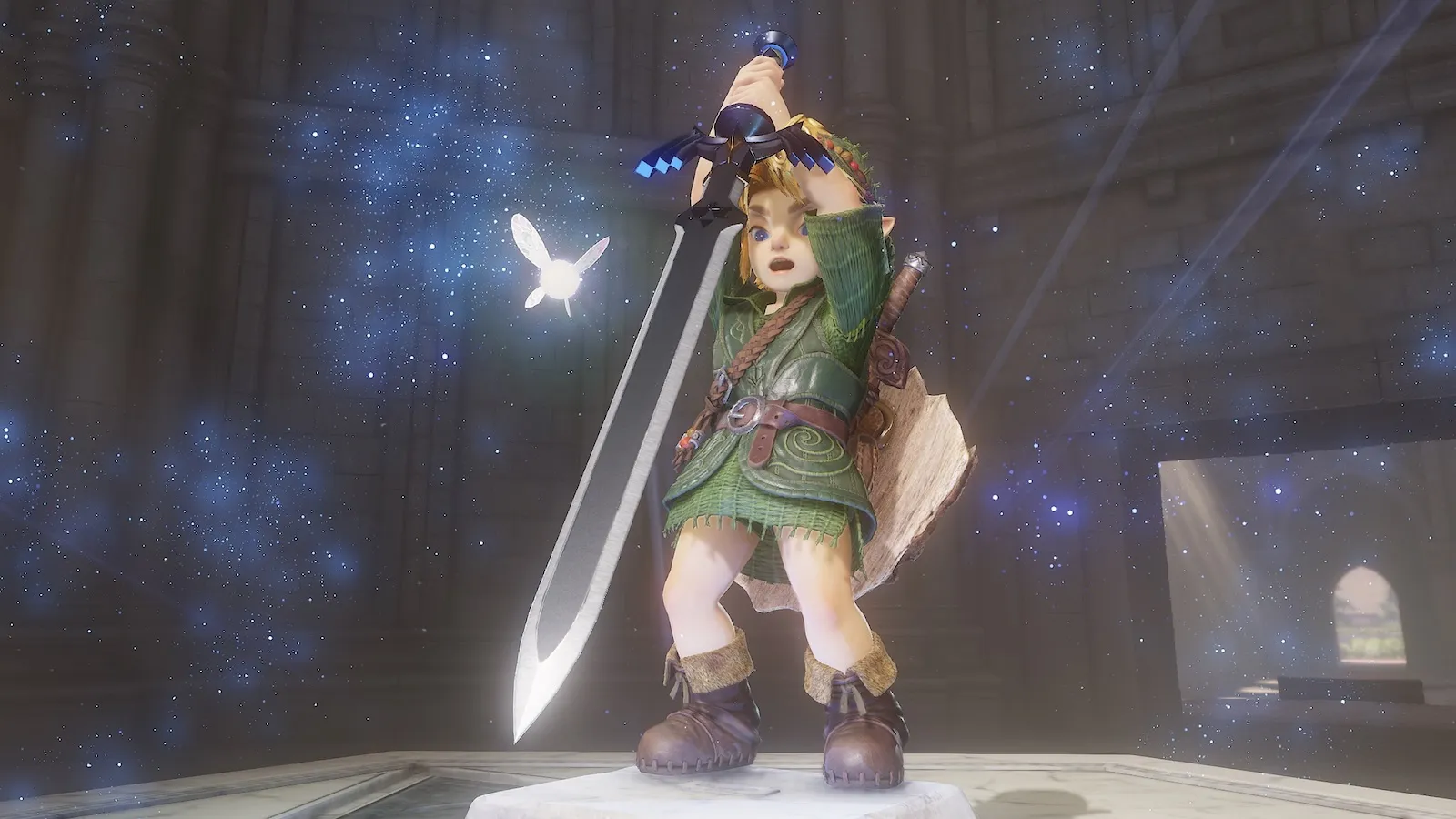
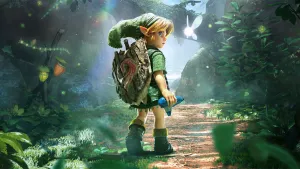
Ocarina of Time is gorgeous. That the game is less than 25 GB is an engineering marvel. I never quite came around to the odd looks of child Link or Zelda, but every other character, environment, enemy, item, and boss looks incredible. I eagerly looked forward to meeting every weirdo in Hyrule to see their new look, and was never disappointed. The ReDeads and Stalchildren are more traumatic than ever, and every NPC childhood crush I thought I had moved on from was reignited. Watching the sun rise and set over Hyrule feels as magical as it did in the past.
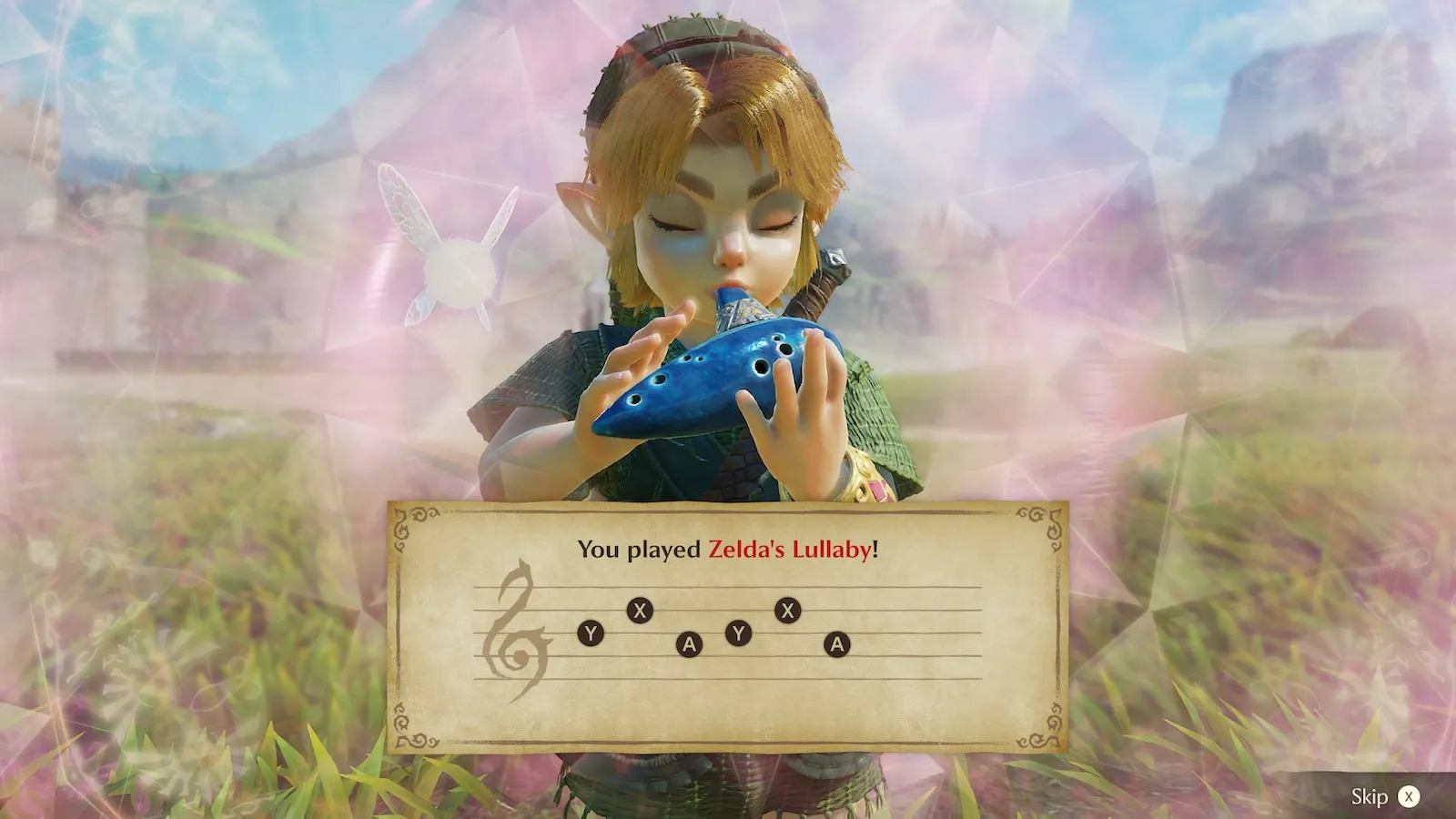
The same accolades can be awarded to the soundtrack. The new orchestrations are incredible, and watching Link’s 4K fingers play the proper notes on his ocarina is mesmerizing. Nintendo continues to fumble voice acting with stiff performances, but thankfully the vast majority of dialogue – one of the primary changes in this remake – is not spoken. Characters don’t necessarily have more to say, but what they say is more impactful, and there are a handful of small but exciting expansions to character and story details. Nothing is groundbreaking or changes how you look at familiar elements, but it manages to be simultaneously nostalgic and improved.
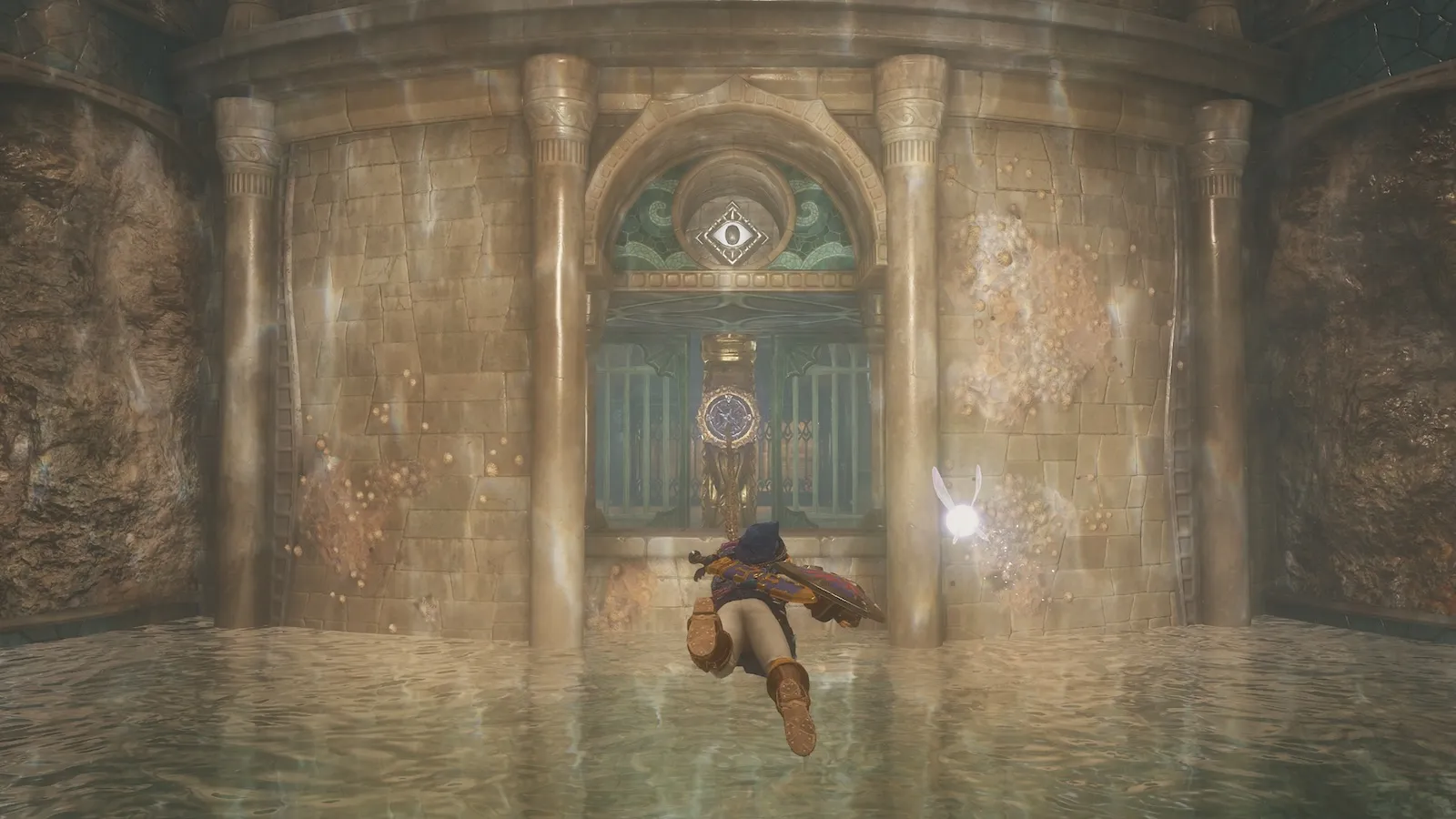
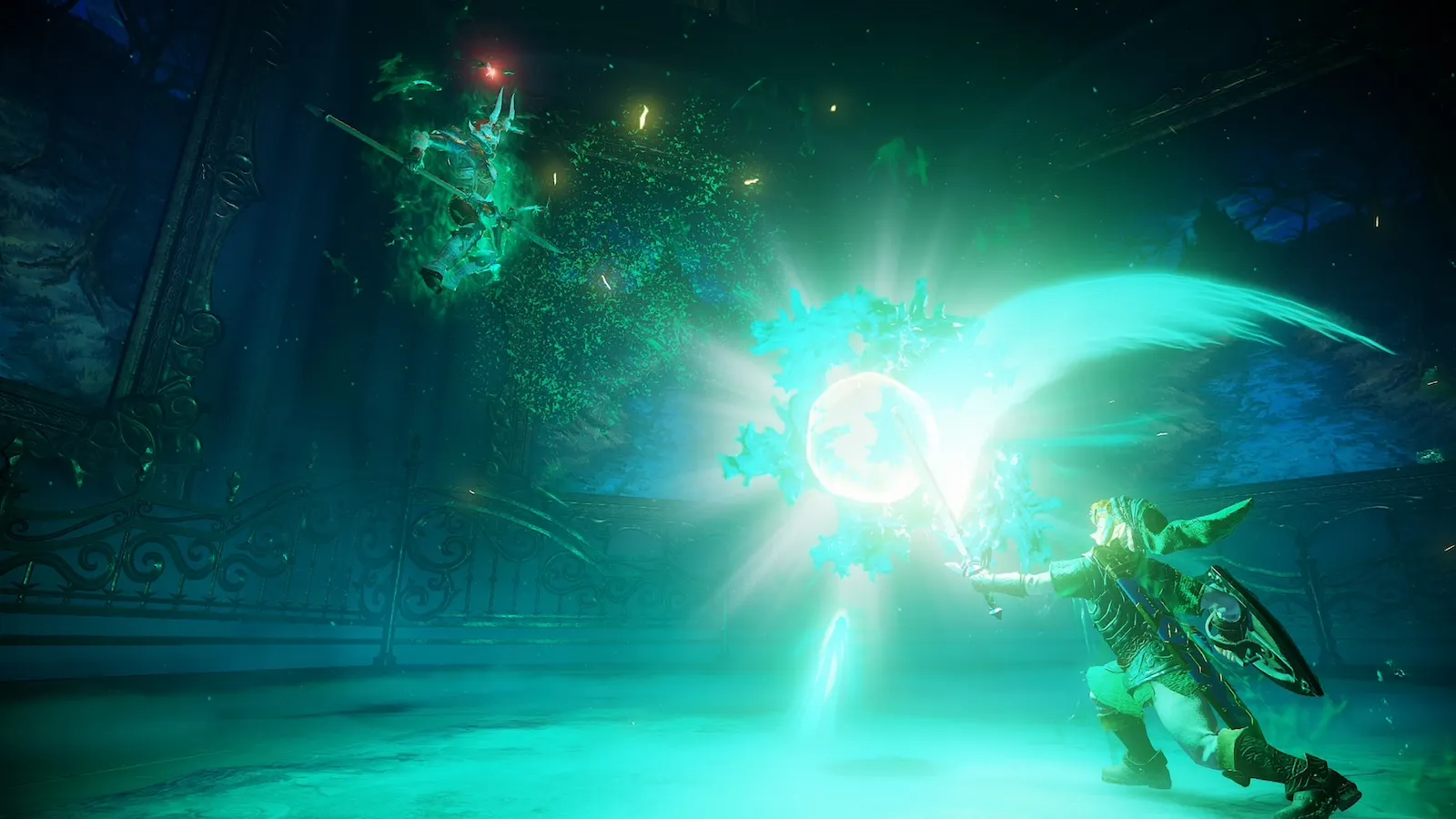
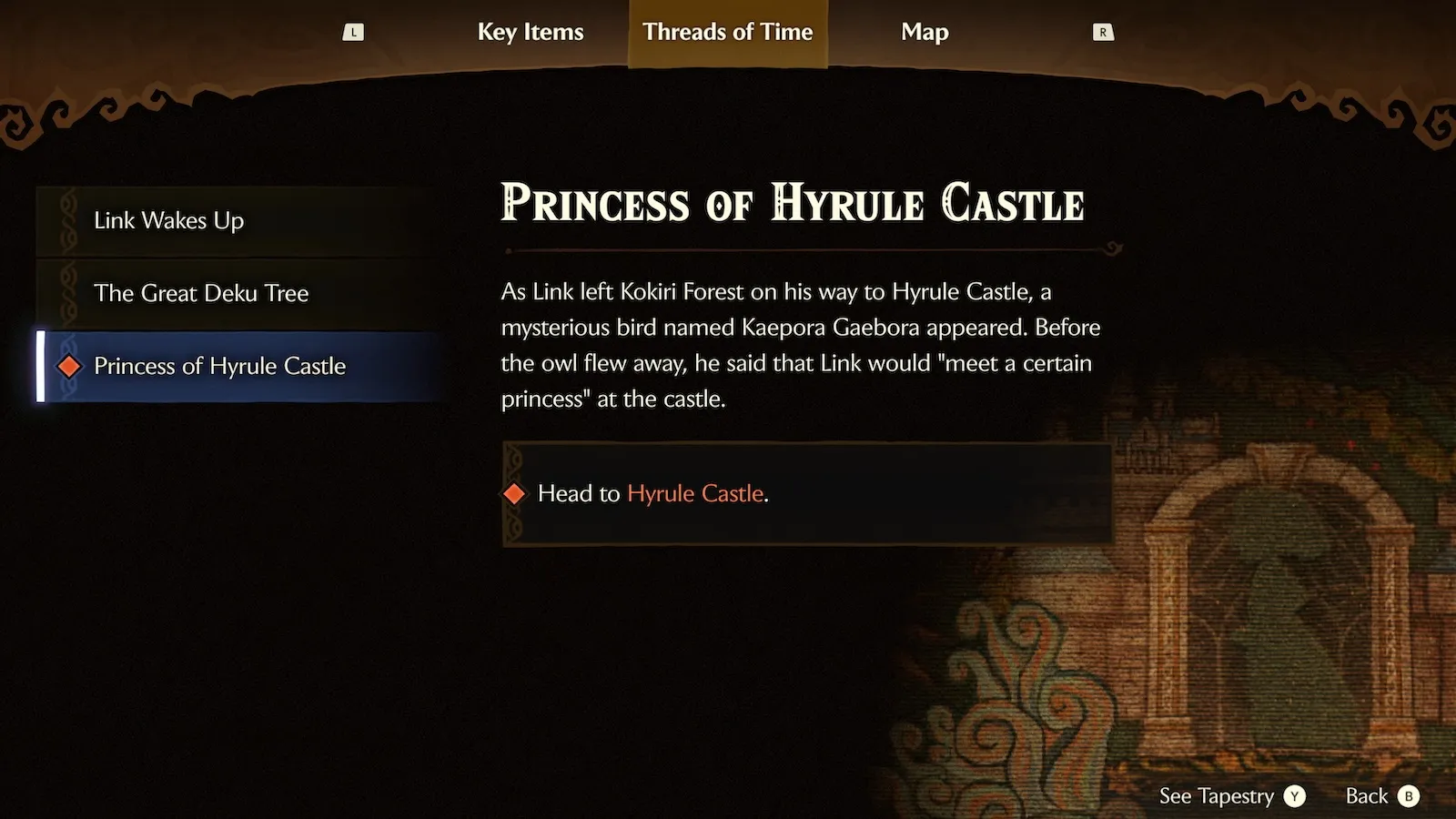
And that’s the closest I got to what I would debatably call a problem: It all looks new, but doesn’t feel particularly new. Ocarina’s overall design holds up. The time travel element is surprising and creates great opportunities to see the world change and evolve; puzzles and their solutions are rewarding; the basics of combat, though simple, are thrilling. All those elements have been adjusted, but not overhauled. Dungeons and their puzzles have been tweaked to remove annoyances (such as fewer keys in the Water Temple), and the new swordplay effects make connecting your blade to monsters feel incredible. But they’re all ultimately small changes that don’t cast Ocarina in a new light or consider its history. It’s a straightforward recreation. But an admittedly very good one.
The biggest, most impactful changes are the new full camera control and active jumping. Swinging the camera around to take a closer look at the upgraded environments is genuinely stirring, especially in the locations that used to be pre-rendered. There is an undefined and exclusive-to-video games emotion I experienced often while trekking locations I thought I knew so well, only to realize I have never seen or looked at it in this way, and I chased and captured that feeling all over Hyrule. Jumping may seem small, but it made me a more active participant in exploration. It also has the benefit of making some encounters feel somewhat trivial (turns out being able to jump over Blade Traps really diminishes their threat), and I was just fine with that.
The beautiful 2026 version of The Legend of Zelda: Ocarina of Time does not study the legacy or impact of the landmark game on the video game medium. Instead, it is a meticulous and incredibly impressive recreation of one of the best games ever made. I was rarely surprised during my playthrough, but I was incredibly excited to see old friends and I happily share without embarrassment that playing through its final hour made me cry. For many like me, the original Ocarina of Time is an impactful adventure that arrived at a time in their lives when magic still felt real. Playing the game again 28 years later and appreciating the care taken to maintain and improve that original vision was the ultimate surprise of the whole experience: I didn’t expect to be so moved.
Products In This Article


Alex Van Aken contributed to this article.
Popular Content







Make Your
Bad signal or dead zones? Download your issues before you leave and read anywhere.