Please support Game Informer. Print magazine subscriptions are less than $2 per issue
Dissecting Survival Horror: What Makes The Genre Special
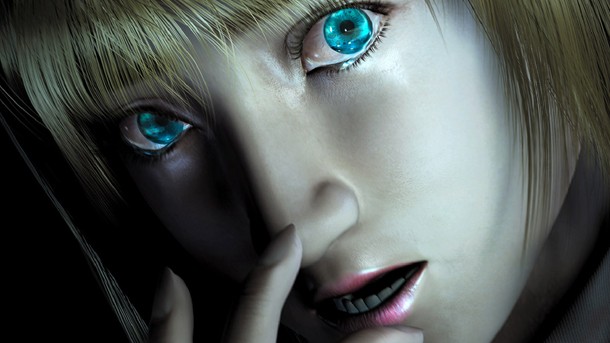
Survival horror games are about building up to those perfect scares. All the best series have memorable moments that have defined the genre. Remember your first glimpse of Scissorman from Clock Tower or Pyramid Head from Silent Hill? But in this generation, it feels like the genre has almost been abandoned with only a few series sticking around. The biggest slam was when Resident Evil producer Masachika Kwata confirmed in an interview that the series would stay more action-y, by saying he didn't feel a pure survival horror title could make it in this market. As I grew up playing the genre for the intensity exuding from the screen, this is more than disappointing. Did we forget what made the genre thrive? What made it special? Let’s break down survival horror’s idiosyncrasies, what fostered the genre’s following, and really discuss its roots.
Survival Horror Isn’t About Guns
Shooting enemies in the face can be the ultimate form of payback, but this is far from what survival horror is truly about. In fact, entering a terrifying situation and seeing how you’d stand up against the challenge encapsulates the genre. Realistically, guns won’t be around every corner, and if you do find one, ammo is limited. Resource management is essential, as it teaches the player to choose wisely if they want to escape; with every bullet comes a decision. Survival is as much about thinking on your feet as it is about thinking for the future. That’s why many games use your legs as your best weapon. Games like Amnesia: The Dark Descent and Slender have running and evading attacks as an integral part of survival. In the end, isn’t running against all odds the spirit of the survival horror genre? Let’s get that heart pumping by forcing panic and not providing the safety that comes from the barrel of a gun.
Realistic, Everyman Characters
Survival horror games often place you in the shoes of an everyday person. This person represents someone like you or someone you might know, endearing them to you. Part of what I loved with the original Silent Hill games is that they actually made you feel like your character was firing a gun for the first time with their shaky aim. The stories are also the driving factor. For instance, the original Silent Hill captures something so real with Harry searching desperately for his daughter, and you’re drawn to unraveling the mystery. Real issues and nightmares we all have – losing a loved one, abandonment, and being attacked – create an emotional investment from the get-go. And when the experience feels all the more real, the game is more likely to prey on your emotions.
Environments From Your Worst Nightmare
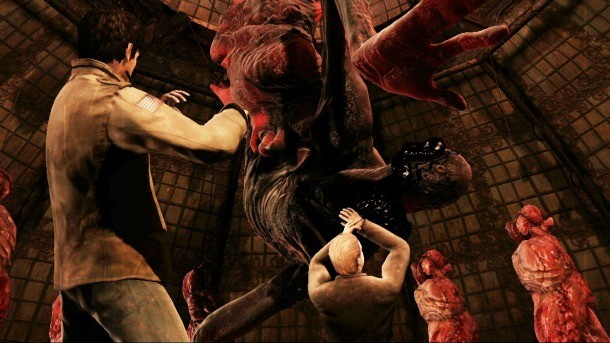
Part of the charm of survival horror is its ability to take normal, everyday surroundings and transform them into something truly terrifying. Schools, subways, hospitals, and homes are all real-world places, but if you can transform them into darker versions of themselves, they can become downright horrifying, making the overall experience more authentic. For instance, take the indie game Slender, where you’re trapped in a familiar landscape: a forest. Dark, foggy, and practically silent except for the sound of your own footsteps, it exudes creepiness. With all these things working together, when Slender Man finally does pop out at you, it’s hard not to jump. Another great example is Silent Hill, which is infamous for its Otherworld. That game throws your basic surroundings into a grotesque, blood-soaked alternative version. The image shifts further confirm that you don’t have any control over your environment, creating a powerlessness that intensifies the surroundings. Let’s not forget these environments’ ambiance. Music and sound effects are vital in creating the atmosphere and they often build the intensity of high-pressure situations.
A Psychological Thriller That Gets In Your Head
The goal of many horror games is to make you literally jump in your seat. The best way to achieve this scare level is in the build-up. To some degree, the game must get in your head and prey on your sanity. Amnesia: The Dark Descent is a great example of a game that builds up your anxieties before you even step foot in it. It simply tells you not to play to win, to immerse yourself in the world and story, and that "the world of Amnesia is a dangerous place and you are extremely vulnerable." The best scares are the surprise of not knowing where each step might take you, perhaps to a horrifying scene of torture or another disturbing image. If games can build up to these scenes well, when they finally happen you find your body reacting as if you’re there – with a scream, jump, or by turning away in fear. For survival horror to work, you must always be on your toes; wondering if your next move could be your last.

Thinking On Your Feet/Unique Solutions to Puzzles
Part of the lure of survival horror is that nothing is handed to you easily. Many games make it so simply opening the wrong door can land you in trap rooms. Others offer complex puzzles that are about uncovering hidden codes to unlock secret rooms. However, the environment is usually the biggest puzzle in these games – using it to your advantage is make or break. Clock Tower, Amnesia: Dark Descent, and Haunting Ground test your ability to find hiding spots in the environment to escape enemies and use objects from the landscape for safety. The biggest strength of these puzzles is the mix between fast, panicked thinking and piecing together the complex set of items at your disposal. Solving these puzzles provide not only a sense of accomplishment, but also further exemplify why brains and street smarts are important to escape your predator.
Survival horror functions best in its ability to transport you to high anxiety, thinking-on-the-fly moments, making you feel like the prey. The scares are more intense than watching a scary movie; it feels like you’re cast in one instead. But I have to wonder with all that's changed in the genre: Does survival horror need revamping? Can there be the best of both worlds? After all, Dead Space, as an action game, did an excellent job at providing scares. As a community, let’s discuss what we love and hate about the genre, and what we’d like to see for its future. We’re at a crossroads in the survival horror market; with HD graphics and sound, scary games should be reaping the benefits, but are they?
I’d like to ask you to support Game Informer’s continued coverage of games with a subscription. For less than two dollars per issue, we mail you a full year of 10 print magazines, each with cover stories and preview features filled with exclusive details about the most exciting upcoming games. We profile and interview game creators. We look back on the rich history of gaming, and we celebrate what’s next.
Here on the website, we offer much of our content for free, including game reviews, daily news, videos, event coverage, and more – all with minimal ads.
We do so with a small editorial team, alongside contributing paid writers from around the world – over 65 individuals from 9 countries around the world, just in the last couple of years.
It’s not possible without support.
In a time when game makers and games coverage have faced hard struggles and layoffs, the future of this 30+ year magazine and community is at risk. Our new standalone magazine subscription is the number one way you can keep us alive – and we believe you’ll get a pretty fantastic gaming magazine in your mailbox every few weeks for your trouble.
Thank you.