What Is The Next Dungeons & Dragons?
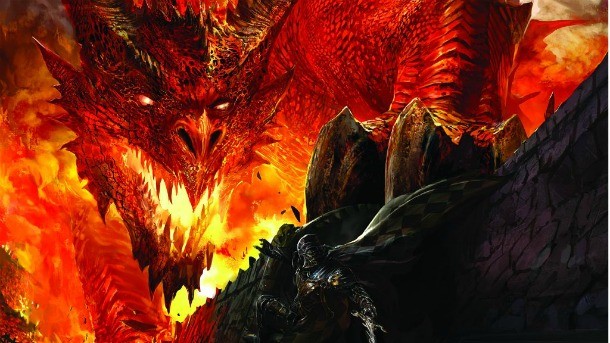
Last week, Wizards of the Coast finally pulled back the curtain to reveal that a brand new edition of the world's most well known role-playing game is on the way. As the longtime centerpiece of the tabletop role-playing hobby, as well as the chief inspiration for dozens of video games over the years, it's no exaggeration to say that Dungeons & Dragons has had a profound influence on gaming and gamers, whether you play at a table, in front of a screen, or some combination of both.
The most recent edition of the game released in 2008 to mixed reaction from fans. Its intricately balanced classes and highly tactical combat excited many enthusiasts, and drew many new players into the fold. However, its dramatically different approach to gameplay systems, non-combat encounters, and highly specific rules alienated some, many of whom continued to play older versions of the game, or switched to other role-playing systems.
Since its announcement last week, one feature of the newly announced edition has been placed front and center; Wizards of the Coast wants to unite the disparate groups of players who love the game, and craft a functional and fun definitive version of the game. How is that even possible? We went right to the source, and put some questions to Wizards' Mike Mearls about what longtime players (and potential new players) can expect out of this newly announced venture.
Just to get started, what is your name and title at Wizards of the Coast, and what is your role in connection to this new edition of D&D?
My name is Mike Mearls, and I am the senior manager for the Dungeons & Dragons R&D team. I’m in charge of shaping the creative vision for D&D. I work with my staff to come up with the big ideas that we want to implement in our product lines, including the RPG, board games, and miniatures.
Early messaging on the new edition of the game is strongly focused on the idea of unifying the varied groups of players out there in the gaming world. How is that possible, given some of the dramatic differences in rule systems between the different editions?
We want to create a shared foundation that people can build upon, so it’s really about creating a slim, easy to use set of rules. From there, there are two basic paths.
Players can pick their own style and complexity within a class. Think of it kind of like having a $10 budget to spend on lunch. Some people will go to a restaurant and buy a $10 lunch special. Someone else might spend that $10 by ordering a few different things off the menu, rather than a special. Someone else might take that $10 and go to the grocery store to buy all the ingredients for a recipe they like. The idea is to put everyone on the same scale, but then allow people to burrow into the level of detail they want.
DMs have a similar process they can go through, adding optional rules to flesh out their campaigns. Those options can range from creating a unique list of races or classes for a setting, to adding in special rules for things like managing a kingdom or waging a war.
I’m hoping you could shed some light on what fundamental concepts remain key to the new edition. In other words, what elements of the existing D&D game are absolutely essential to bring into a new edition, whether in terms of game systems, storytelling, or atmosphere?
We actually went back and played every major edition of D&D and used those experiences to help narrow down the absolute core elements of the game. If you removed those elements, it’s not D&D. Our list includes the six abilities, classes, levels, hit points, Armor Class, and a few other things. In many ways, the list creates the shared language that links the editions.
Of course, the most important element of D&D is the DM. We found that across all the editions, the DM was more important than the specific rules. Supporting DMs and giving them the tools to create the campaigns they want is an important goal for the project.
4th edition D&D pushed forward the concept of powers as the core elements of a character’s class, and was in many ways a new approach to play. Does the new edition have any fundamental new ideas in that vein that will be core to the game experience, or is the new edition entirely built around drawing ideas from older versions of the game?
It’s a little too early to say, but I think our approach to slimming down the game and putting the focus on the absolutely essential elements of D&D and then building upon those elements will be a defining aspect of the design.
While many gamers praised the tactical and balanced combat of 4th edition, other players hoped for deeper non-combat interactions. Is the out-of-combat gameplay an important focus for the new edition, or do you see combat maintaining its primacy as the central feature of the upcoming system?
One of our mantras is to let the DM and players decide on the focus. This is where the idea of a strong foundation and flexible rules that can be layered upon comes in. It isn’t the job of the D&D rules to tell you how to run your campaign. The rules are tools that you use to create the campaign you want. That’s a big part of our design philosophy.
[NEXT UP: Can D&D succeed without an open license for third-party publishers?]

Can a new edition of Dungeons & Dragons succeed without a more open approach to licensing, like we saw with the OGL of 3rd edition?
I think that an open license speaks to how people think about D&D, and in some ways it is a big part of the game’s culture. We want people to feel like we’re making an effort to include everything that they love about the game, and we’re exploring options for third party publishers.
Dungeons & Dragons has had a give-and-take relationship with the video game world over the years. Can you speak to whether there are any lessons the design team has drawn from the success of recent video game RPGs, specifically within the MMO market? If so, can any of those lessons be applied to making a new edition of D&D better?
The big lesson I’ve learned is wrapped up in the art. When you look at some of the great fantasy games out there, you have these vivid, memorable fantasy worlds built on great visuals. Having a consistent look and feel for our worlds is one of our big goals, and we’re putting resources against creating that consistency.
From a design stand point, I think it’s important that we focus on what tabletop games do well. We want to make sure people can pick up and play D&D with minimum fuss. People will develop a desire to delve into the details and learn all the subtle elements of a game, but first we have to make sure that they can get into the game and develop that curiosity without having to jump through a lot of hoops.
Basically, depth and complexity are good things, but make sure you have a nice, comfortable path for players to turn from neophytes to experts. Make sure it’s OK for players to decide they’re comfortable with their chosen level of expertise. Don’t force people into a specific tier, whether it’s a simple or complex level.
Wizards is pursuing a very public and open approach to playtesting this time around. Would you offer some perspective on the vision for how this long-term playtest approach will affect the game, and how playtesting the game will work in practice?
We want to make sure that playtesting is broad-based and accessible. Our open playtests will be survey driven to make sure that we get feedback from as many people as possible. We also want to make sure that someone can just read a section of the rules and provide useful feedback on how we’re hitting the feel of D&D. It’s useful just to know if something looks fun, even if someone doesn’t have the time to play it.
The idea is to start with big picture elements in the open test, then narrow down to more specific elements of balance and so forth.
There seems to be some confusion within the press and public about exactly how the new edition of the game will interact with previous editions. Do you see the next edition of D&D as entirely standalone, even though it draws inspiration from previous editions? Or is it more of a modular system, in which players can pull in elements they like directly from earlier editions?
The next iteration of D&D is a game on its own. However, what we’ll do is look at the best parts of prior editions and create either new rules or adapt existing rules to incorporate those things into the game. That’s also a big part of the open playtest, ensuring that the fans of each edition are getting what they see as the most important elements of their editions of choice.
We’ve heard that Forgotten Realms will be a supported setting from the start of the new edition? Is this correct? Are new and alternative game settings still a central part of the D&D strategy as the game moves forward into a new edition?
Just as fans like different mechanics and styles of play, so too do they like lots of settings. We’re making plans to ensure that your setting of choice is incorporated into our plans, but right now it’s too early to go into specifics.
It’s only been a few years since 4th edition released, and we now have word of a new edition. Do the financial obligations of being a games publisher necessitate a new edition every few years, or can you foresee a period where the game would remain more static and settled for a longer period?
We’re actually much better off creating a single, stable edition. It’s easier for fans, it’s better for continuity for writers and designers, and it’s much easier in terms of creating a long-term product strategy. It would be great if the playtest feedback was such that we felt comfortable dropping any reference to editions or numbers in the final game’s title.
With that said, we also have to keep an eye on what the audience is saying. There have been times in the past where big revisions to the rules have been necessary and desired. We want to listen to fans, and ultimately, we always try to do what’s best for the game.
Recent years in tabletop RPG gaming have been characterized by dramatic divides between and within gaming groups regarding different editions of D&D. Is there anything you’d like to share with that fractured audience about what they can look forward to in a new edition of D&D?
We play tabletop RPGs because we want to be engaged in shaping a fictional world of magic, danger, and drama. The basic concept of an RPG is unique enough that specific differences in how we do things can’t overshadow why we do them. In many ways, our approach seeks to rise about the specifics of mechanics and instead focus on why people love RPGs and the strengths that have kept this hobby going for nearly 40 years.